

In the competitive world of plastic sheet manufacturing, the constant pressure to maximize output while struggling to minimize cost is a familiar challenge. Rising energy prices and stringent environmental regulations are squeezing profit margins like never before. What if the key to unlocking greater profitability wasn't just running your machines faster, but running them smarter? The answer lies in investing in an energy-efficient plastic sheet extruder. This isn't just a "green" alternative; it's a powerful business strategy that directly impacts your bottom line. In this comprehensive guide, we'll explore how modern extruder technology can simultaneously boost your production capacity and dramatically reduce your operating expenses.
(Section 1: The High Cost of Inefficiency - Understanding the Problem)
Before diving into solutions, it's crucial to understand where your money is going. A conventional or aging plastic sheet extrusion line can be a significant energy hog. The primary energy consumption comes from two main sources:
Motor Drive Systems: The main extruder motor, which turns the screw, is a major consumer of electricity. Older DC motors or inefficient AC drives can waste a substantial amount of power as heat.
Heating and Cooling Bands: The process of melting, compounding, and then cooling the plastic polymer requires precise thermal management. Inefficient heater bands and poor insulation lead to constant heat loss, forcing the system to work harder and consume more energy to maintain the required temperatures.
The result? You're not just paying for the energy needed to produce your plastic sheets; you're paying for wasted energy that contributes nothing to your output. This inefficiency translates directly into higher utility bills and a larger carbon footprint.
(Section 2: Key Technologies in Modern Energy-Efficient Extruders)
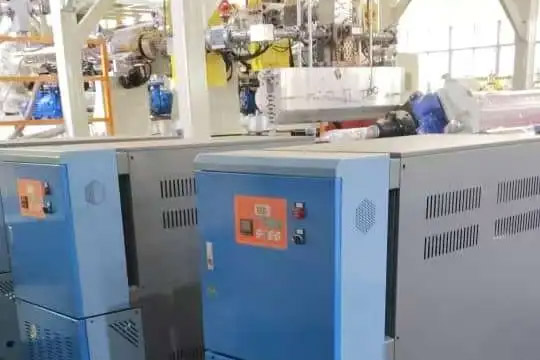
So, what makes a modern extruder "energy-efficient"? It's a combination of advanced engineering and smart design:
High-Efficiency Servo Motors and Drives: Unlike traditional motors, modern servo-driven extruders provide power on demand. They consume energy only when performing work, drastically reducing idle power consumption. They offer superior control, leading to more consistent product quality and less material waste.
Advanced Screw and Barrel Design: Innovations in screw geometry (e.g., barrier screws, mixing sections) improve melting efficiency and polymer homogenization. This allows for lower processing temperatures and reduced motor torque, leading to significant energy savings. Furthermore, bimetallic barrels offer superior wear resistance and heat transfer, maintaining efficiency over a longer lifespan.
Smart Thermal Management: This includes:
Ceramic or Composite Heater Bands: These provide faster, more uniform heating with minimal heat loss to the environment.
High-Performance Insulation: Effectively containing heat within the barrel reduces the workload on the heaters.
Optimized Cooling Systems: Efficient cooling circuits for the barrel and screw ensure precise temperature control, preventing energy-intensive overheating and cooling cycles.
Integrated Process Control: A sophisticated extrusion control system is the brain of the operation. By continuously monitoring and adjusting parameters like temperature, pressure, and screw speed, it ensures the entire line is operating at its peak efficiency, eliminating guesswork and human error.
(Section 3: The Tangible Benefits: More Than Just Lower Utility Bills)
Investing in an energy-saving extruder delivers a powerful return on investment (ROI) that extends beyond the monthly energy bill:
Direct Cost Reduction: This is the most immediate benefit. Lower energy consumption can lead to savings of 20-30% or more on your power costs, a direct boost to profitability.
Increased Production Output: Efficient machines often run smoother and with fewer interruptions. Improved melting and mixing capabilities can allow for higher throughput rates without compromising quality, helping you maximize output.
Enhanced Product Quality and Consistency: Precise temperature and speed control result in a more uniform melt, reducing defects like gels, streaks, or thickness variations. This means higher-quality plastic sheets and less scrap material.
Reduced Maintenance and Longer Lifespan: Efficient systems operate under less stress. Components like screws, barrels, and heaters last longer, reducing downtime and the cost of replacement parts.
Strengthened Market Position: A commitment to sustainability is a powerful marketing tool. By lowering your carbon footprint, you appeal to environmentally conscious clients and comply more easily with global regulations.
(Section 4: Making the Switch: A Practical Guide)
Transitioning to an energy-efficient system requires careful planning. Here are key considerations:
Conduct an Energy Audit: Understand your current energy consumption to establish a baseline for measuring future savings.
Evaluate Your Production Needs: Work with a reputable extruder manufacturer to select a machine sized correctly for your output goals. An oversized or undersized extruder will never be efficient.
Consider Retrofitting: For some operations, a complete machine replacement isn't immediately feasible. Explore retrofitting options, such as upgrading the drive motor, heater bands, or control system on your existing extruder to capture significant energy savings.
Calculate Total Cost of Ownership (TCO): Look beyond the initial purchase price. Factor in estimated energy savings, reduced maintenance costs, and potential productivity gains to understand the true long-term value.
(Conclusion: A Smart Investment for a Profitable Future)
In conclusion, an energy-efficient plastic sheet extruder is far more than a piece of machinery; it's a strategic investment designed to future-proof your business. By embracing technologies that minimize cost through reduced energy use and maximize output through enhanced performance and reliability, you position your company for sustainable growth and a stronger competitive edge.
Ready to explore how an energy-efficient extrusion solution can transform your profitability? [Contact Us Today] for a free, no-obligation consultation and let our experts help you calculate your potential savings.
